Affirmations for Self-Doubt
Self-doubt is convincing because it sounds like realism. It shows up in the voice of caution, and it uses your own history selectively. These affirmations are about noticing the selection.
Six affirmations for doing it anyway
The doubting voice is a bad historian. It remembers every time you were unprepared and none of the times you were fine, then presents that edit as objectivity. You can't argue it into silence, but you can widen the sample — deliberately recalling the evidence it left out. That's the move behind most of the affirmations below: not 'I am confident', but 'the story I'm telling myself is incomplete'.

How Anchor writes yours
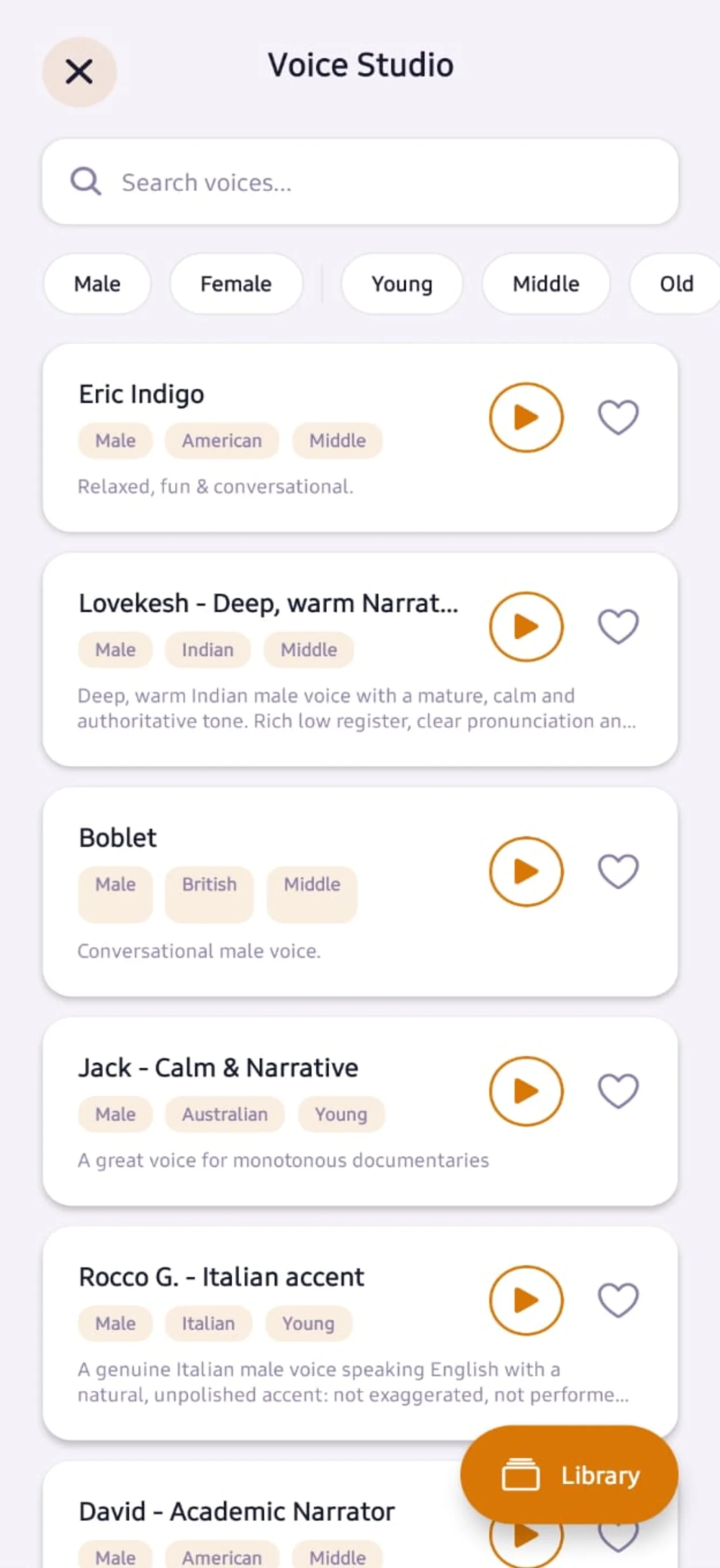
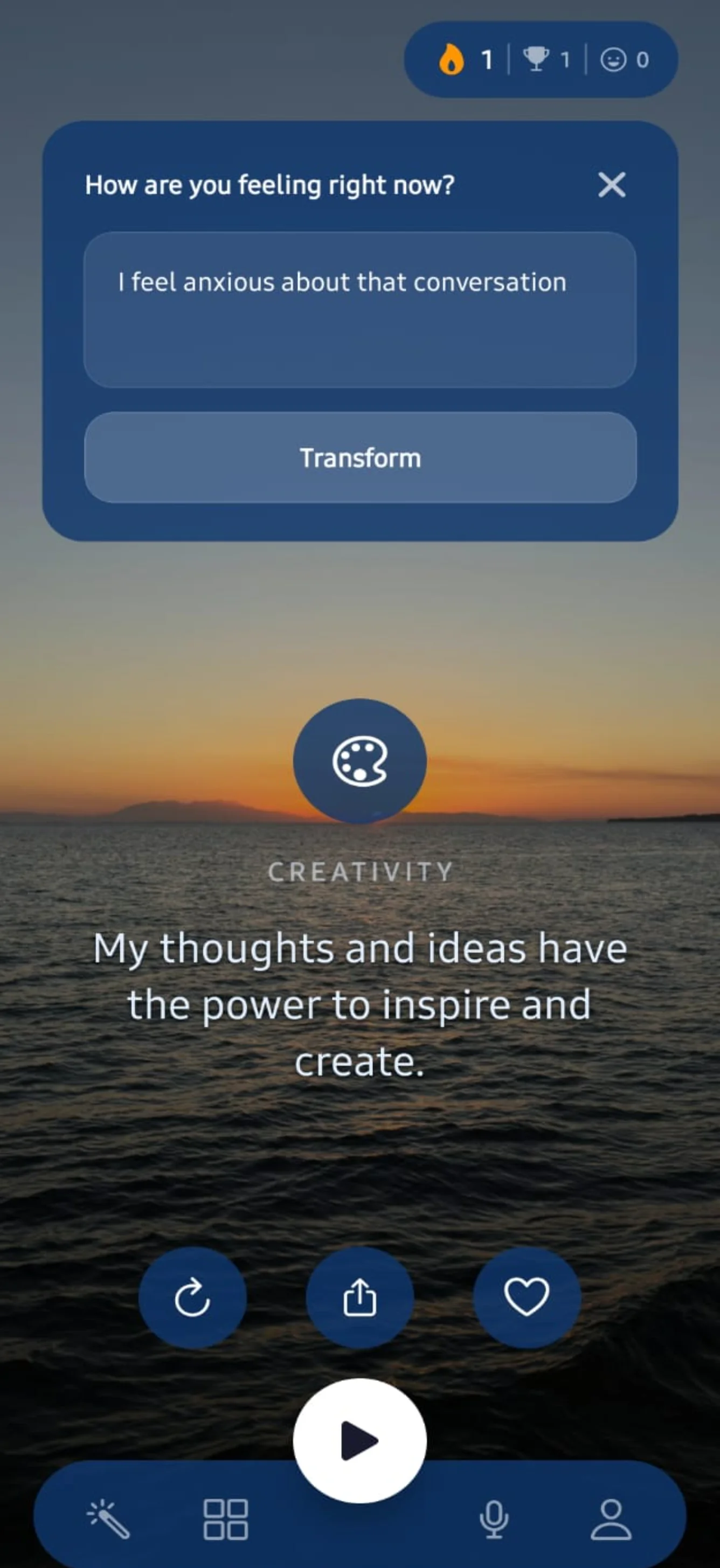
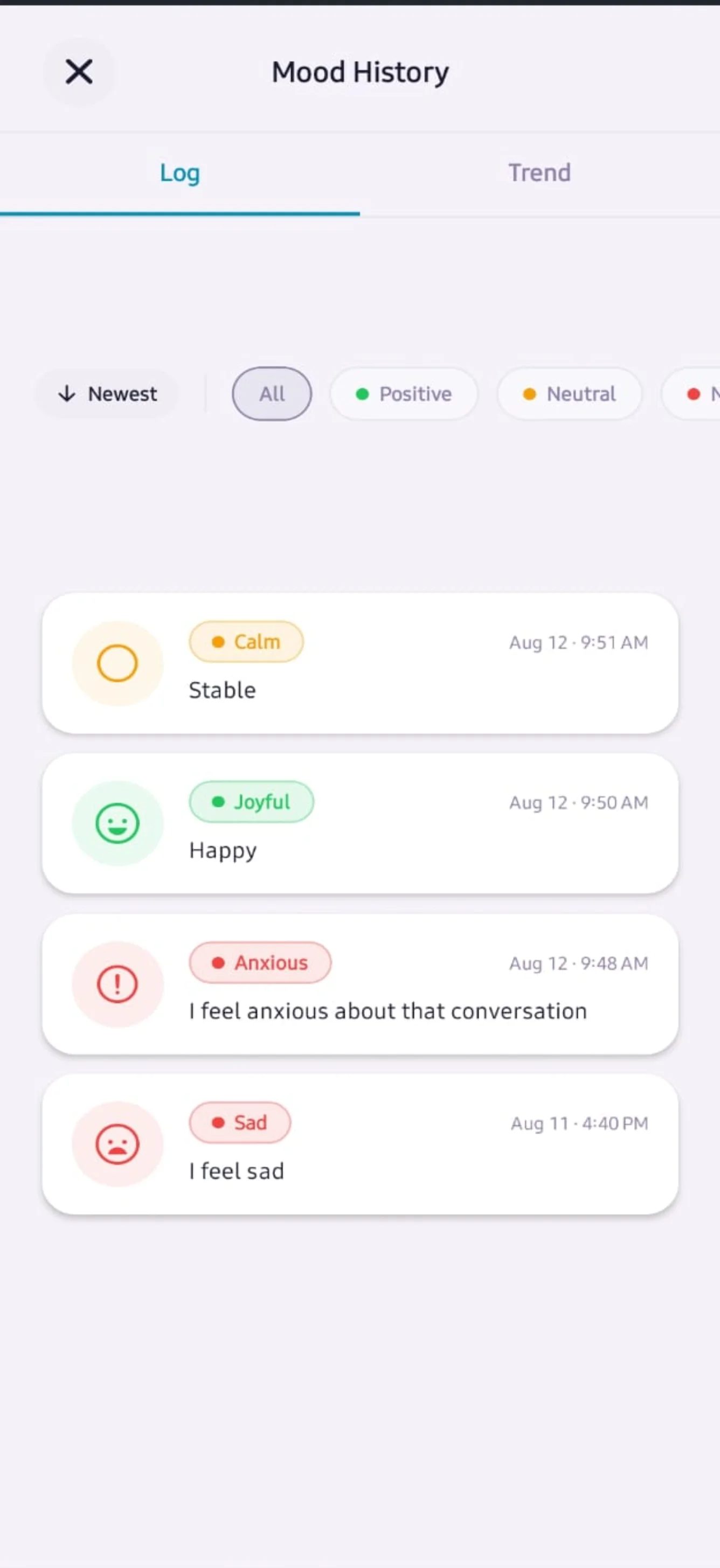
These six are a starting point. In the app you describe your own moment in your own words, and Anchor writes a CBT-style affirmation for exactly that, then a voice you picked from the library reads it aloud. It works in 29 languages, and a home-screen or lock-screen widget keeps today’s affirmation one tap away.
Questions
How do I stop second-guessing myself?
Set a decision boundary before you start rather than during: decide how much information is enough, then commit when you hit it. Most second-guessing is an attempt to reach certainty that the situation can't provide, so the exit is accepting a good-enough threshold rather than searching for a perfect one.
Is self-doubt the same as imposter syndrome?
They overlap but aren't identical. Self-doubt is uncertainty about whether you can do something. Imposter syndrome is the belief that your existing success was a fluke and will be exposed — it persists despite evidence, which is what makes it stubborn. Both respond to widening the evidence you allow yourself to count.