Affirmations for Rejection
Rejection hurts more than it logically should because the brain processes social exclusion in some of the same circuitry as physical pain. You're not being dramatic.
Six affirmations for after the no
The damage from rejection is rarely the outcome itself — it's the conclusion drawn from it. One no becomes evidence about your worth, your future, your whole category of prospects. The useful move is narrowing the claim back to what actually happened: one decision, by specific people, with information you'll never fully see. Affirmations here should shrink the inference, not deny the sting.
How Anchor writes yours
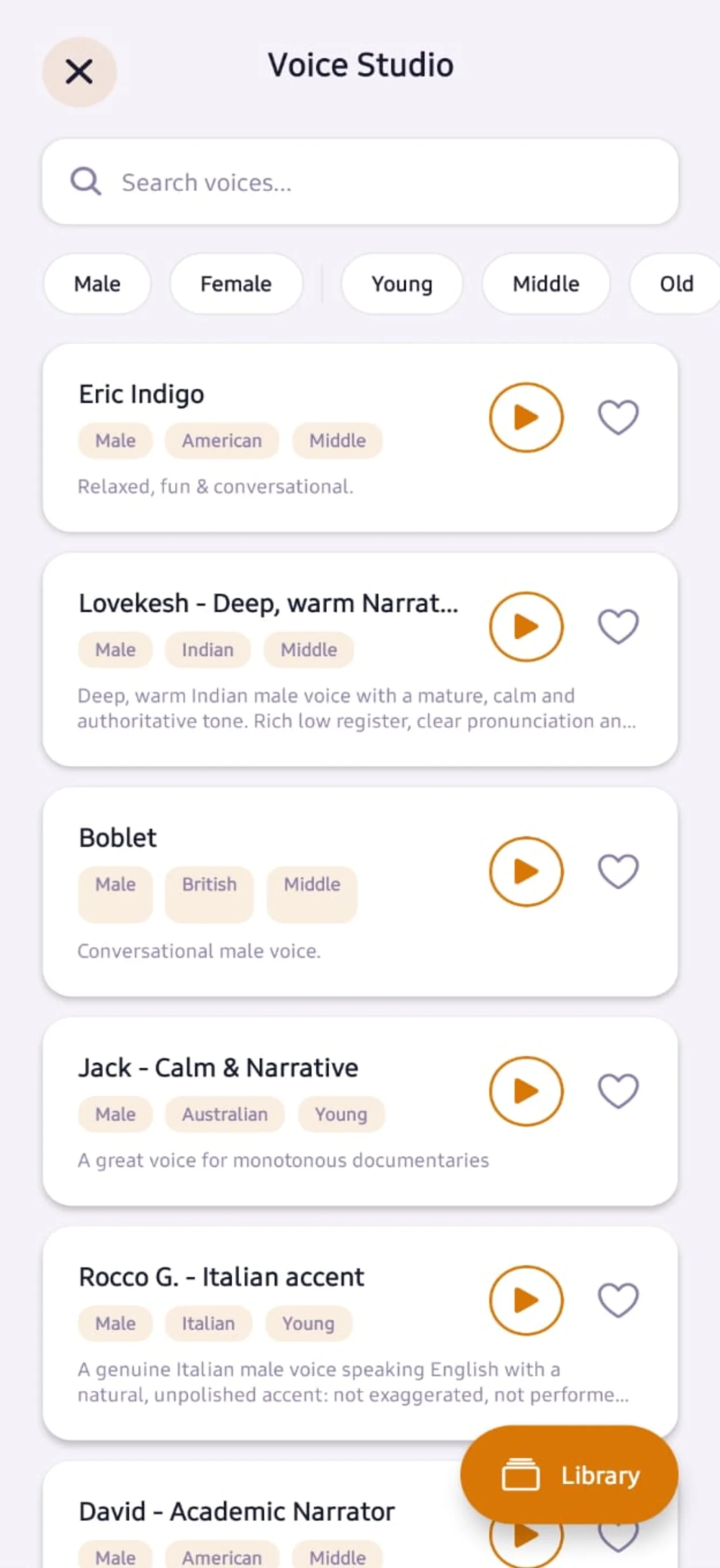
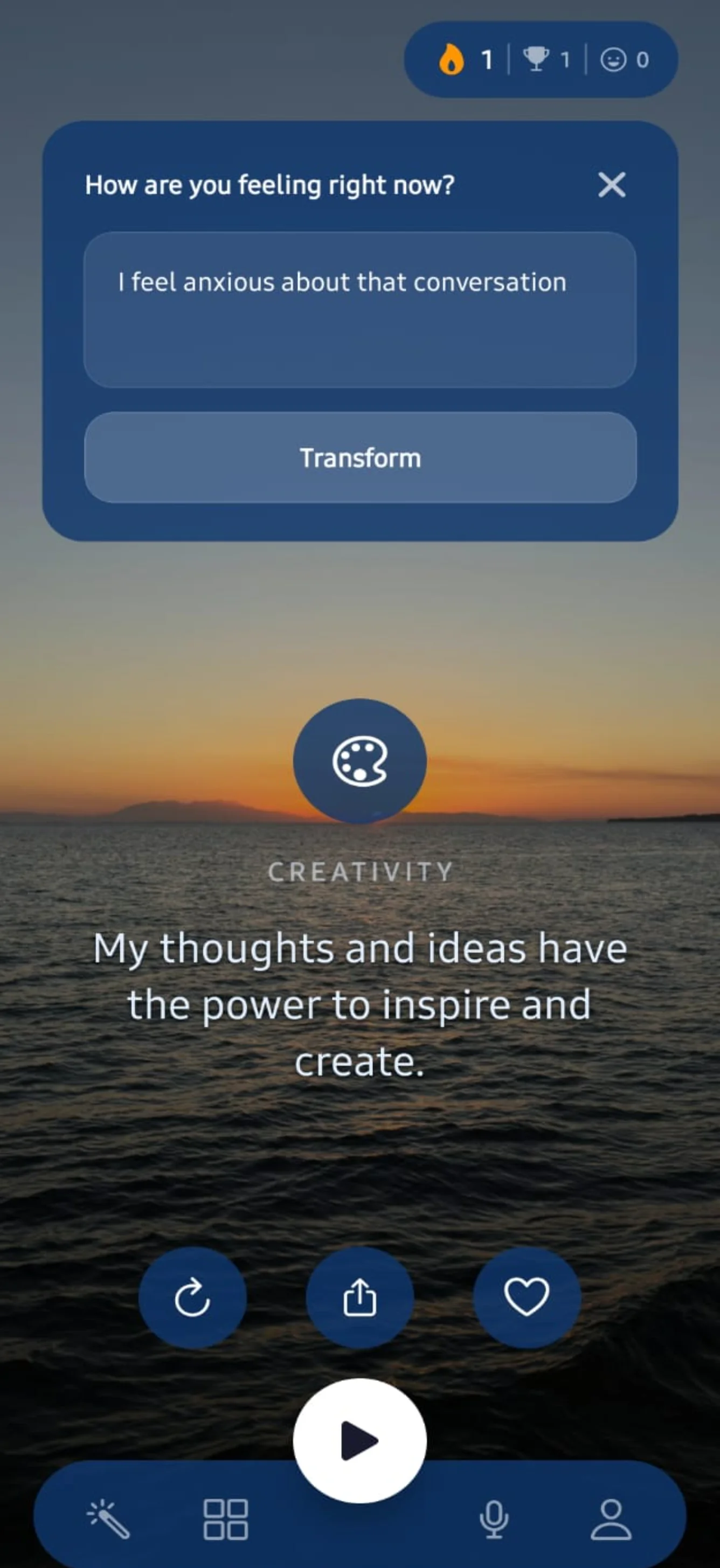
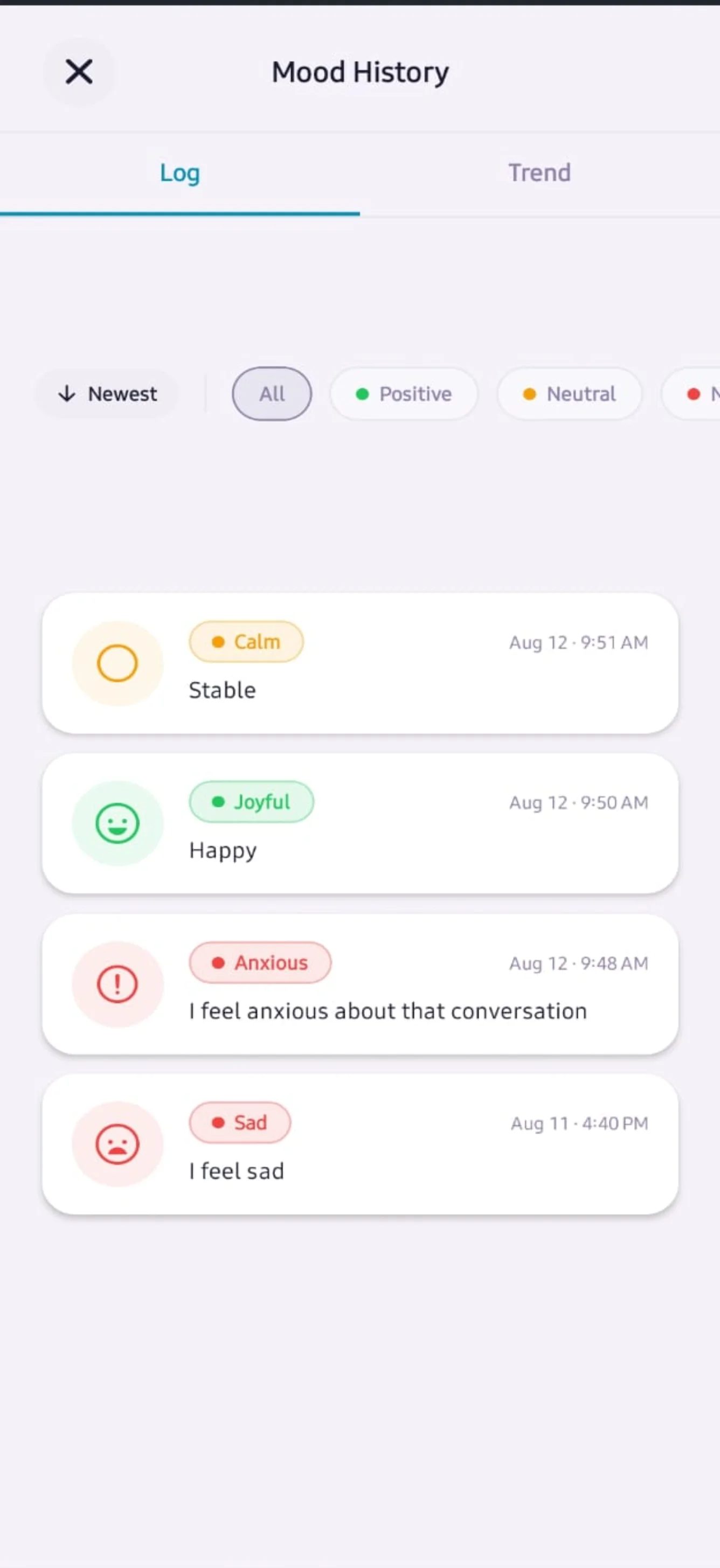
These six are a starting point. In the app you describe your own moment in your own words, and Anchor writes a CBT-style affirmation for exactly that, then a voice you picked from the library reads it aloud. It works in 29 languages, and a home-screen or lock-screen widget keeps today’s affirmation one tap away.
Questions
Why does rejection hurt so much?
Partly biology: neuroimaging work suggests social rejection activates some of the same regions involved in physical pain, which is why the ache feels bodily rather than abstract. Evolutionarily, exclusion from a group was genuinely dangerous, so we're built to register it sharply.
How do I get over being rejected?
Let it hurt, then narrow the conclusion. The lasting damage comes from generalising — 'I didn't get it' becoming 'I never will' — rather than from the event. Naming what specifically happened, in the smallest accurate terms, is what stops one no from spreading.