Affirmations for People-Pleasing
People-pleasing looks like kindness from the outside. From the inside it's often fear wearing kindness as a costume — and the resentment that follows is the tell.
Six affirmations for saying what you mean
The pattern is learned, usually early, and it's rational in the environment that taught it: keeping others happy kept you safe. The cost shows up later, when agreeing automatically means nobody — including you — knows what you actually want. Unwinding it starts with noticing the automatic yes before it leaves your mouth, and tolerating the discomfort of a pause.

How Anchor writes yours
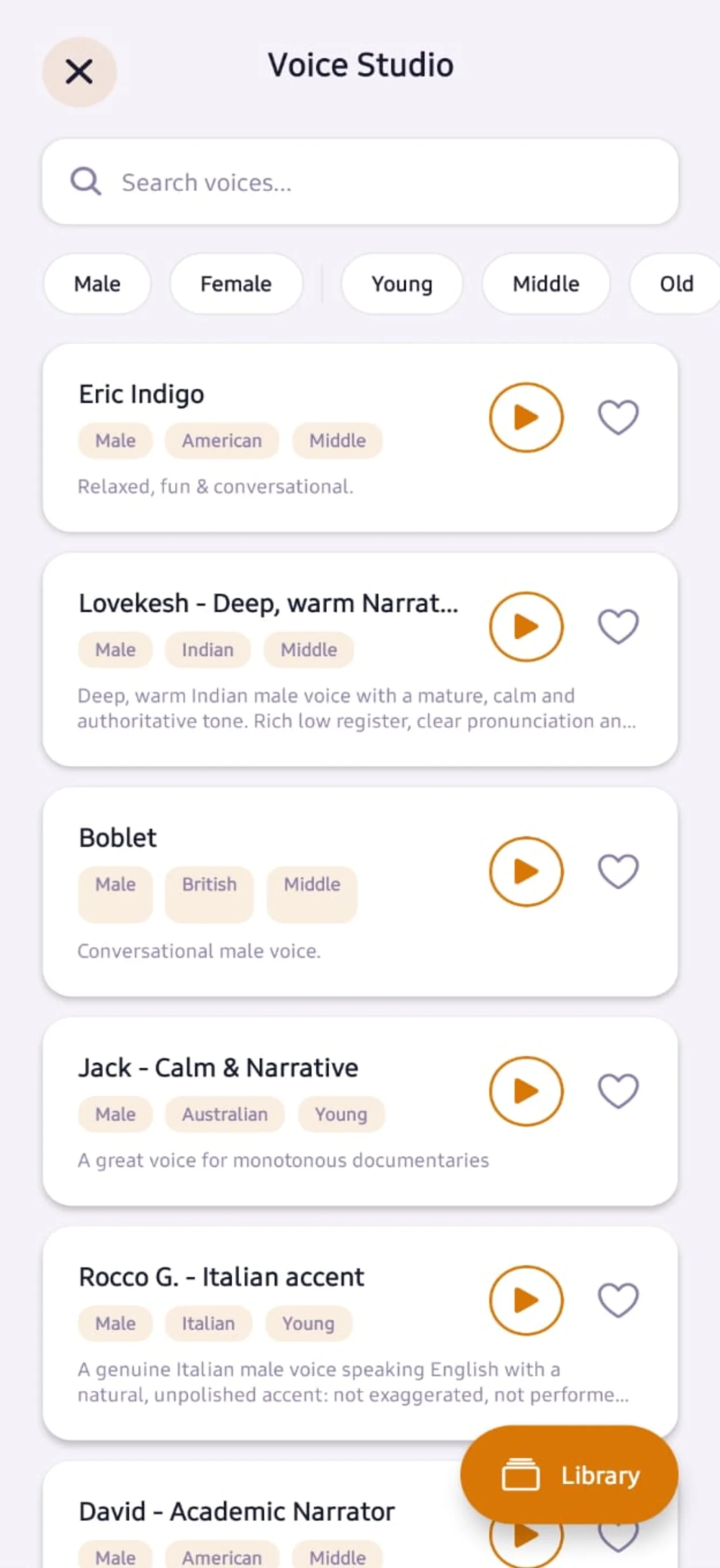
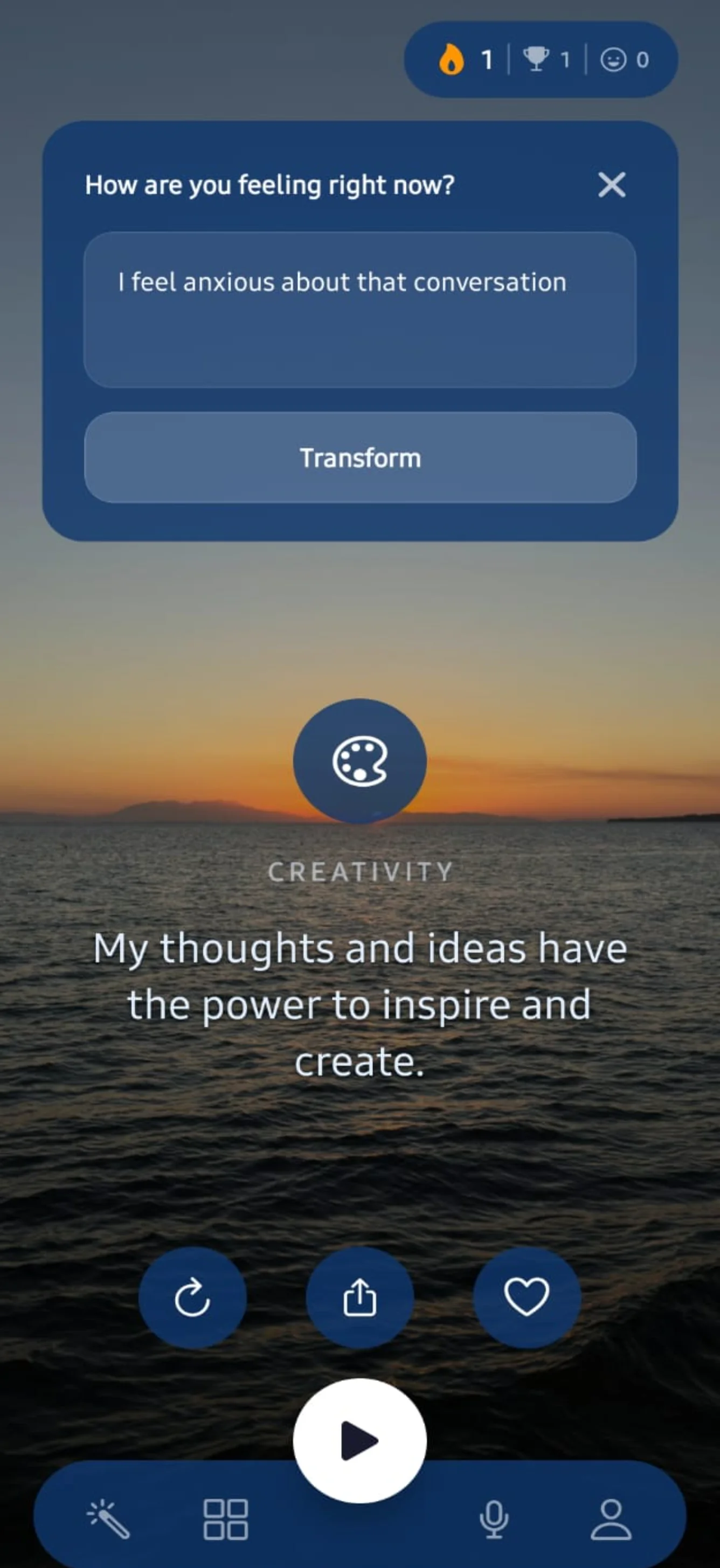
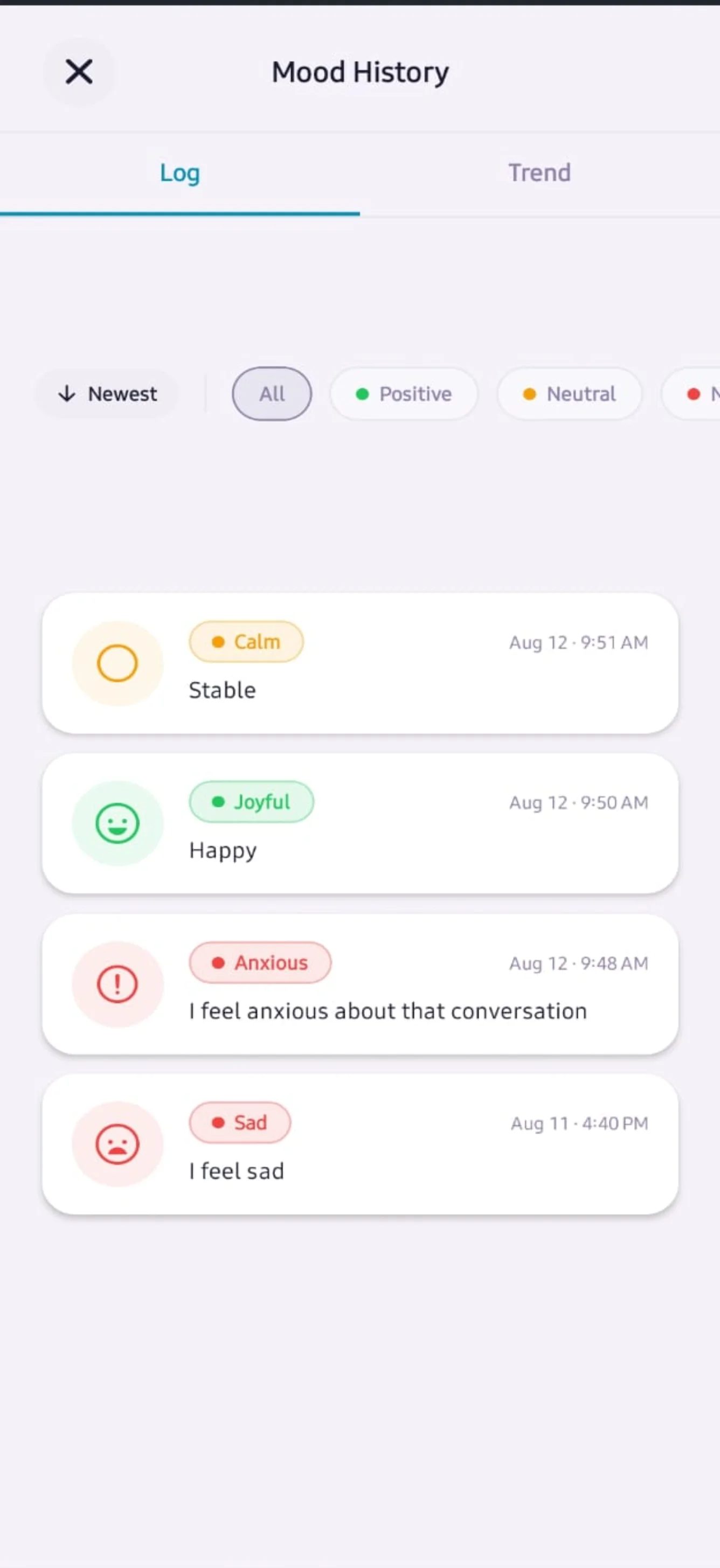
These six are a starting point. In the app you describe your own moment in your own words, and Anchor writes a CBT-style affirmation for exactly that, then a voice you picked from the library reads it aloud. It works in 29 languages, and a home-screen or lock-screen widget keeps today’s affirmation one tap away.
Questions
Why am I a people-pleaser?
It's usually adaptive in origin: in environments where conflict was unsafe or affection was conditional, anticipating and meeting others' needs was genuinely the smart strategy. The behaviour outlives the environment. Understanding it as a learned survival skill rather than a character flaw makes it considerably easier to change.
How do I stop people-pleasing?
Start with the pause. The habit runs on an automatic yes, so the first skill is buying time — 'let me think about that' — which creates space to notice what you actually want. Then practise small, low-stakes disagreements to build tolerance for the discomfort. Beginning with the highest-stakes relationship in your life usually backfires.