Affirmations for Confidence
Confidence isn't a feeling you summon before you act. Most of the time it's the residue of having acted — which is inconvenient, because it means you have to go first.
Six affirmations for acting before you feel ready
The common model has it backwards: wait to feel confident, then do the thing. In practice the sequence is do the thing while uncertain, survive it, and let confidence accumulate afterwards. Affirmations that promise the feeling up front tend to ring hollow. The ones that work grant permission to act without the feeling — which is the only version of confidence actually available before you start.

How Anchor writes yours
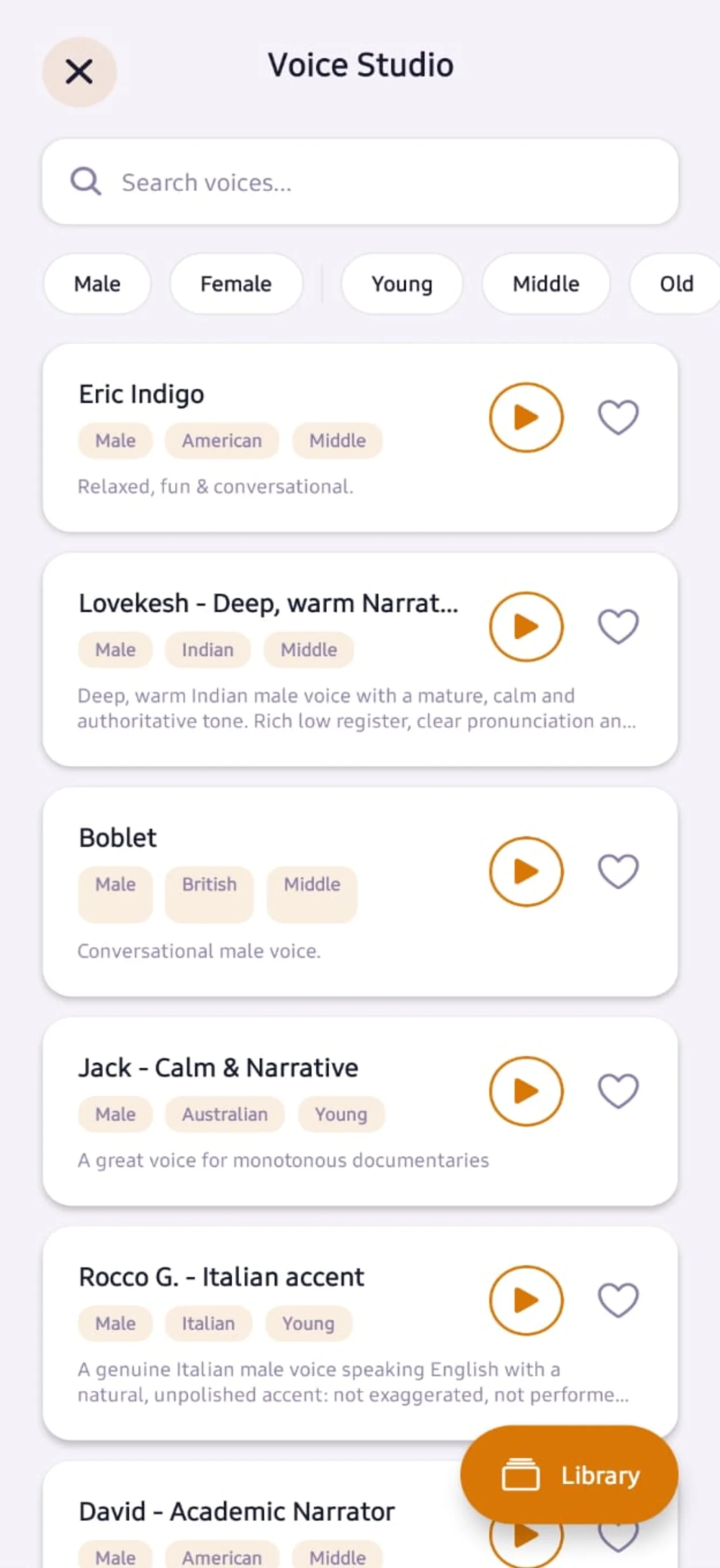
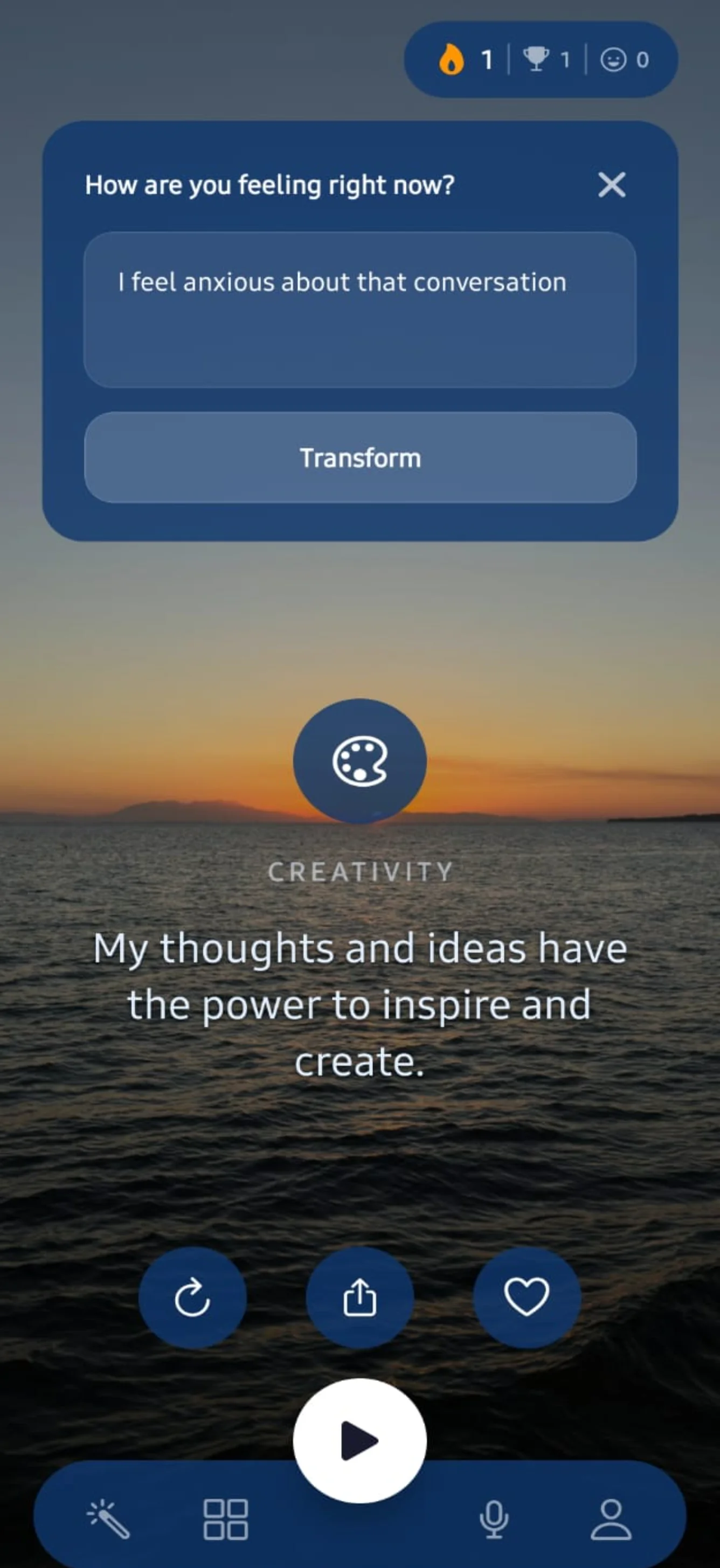
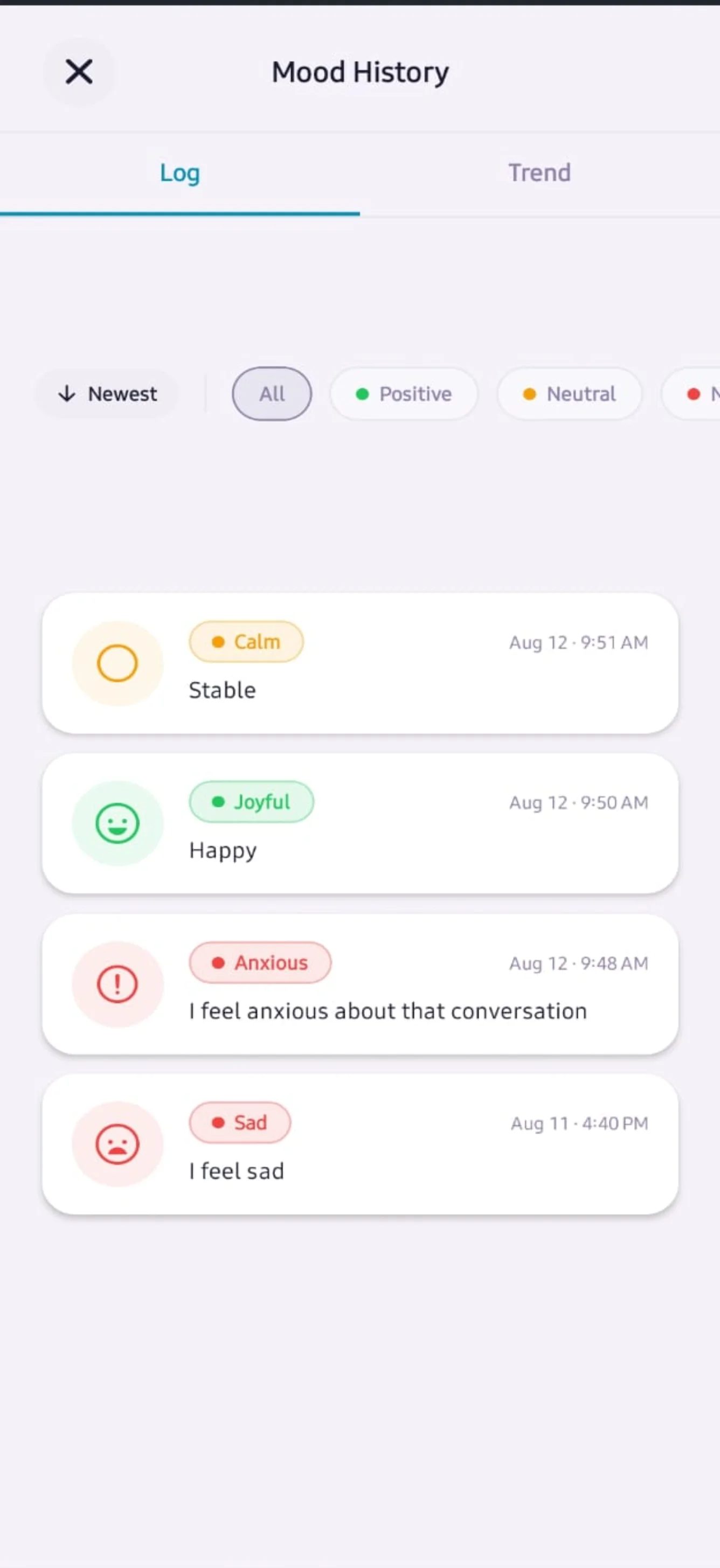
These six are a starting point. In the app you describe your own moment in your own words, and Anchor writes a CBT-style affirmation for exactly that, then a voice you picked from the library reads it aloud. It works in 29 languages, and a home-screen or lock-screen widget keeps today’s affirmation one tap away.
Questions
How do I become more confident?
Mostly through accumulated evidence: doing things while uncertain and noticing you survived them. Confidence built from repeated small exposures is far more durable than confidence talked into existence, because it's grounded in an actual track record. Affirmations support the process by making it easier to start — they aren't a substitute for starting.
What's the difference between confidence and self-esteem?
Confidence is domain-specific — belief you can do a particular thing. Self-esteem is a broader sense of your own worth, independent of performance. You can be highly confident in your work and still have low self-esteem, which is why competence alone often doesn't fix how you feel about yourself.