Affirmations for Setting Boundaries
If saying no makes you feel like a bad person, the problem usually isn't the boundary. It's the belief that other people's comfort is your responsibility.
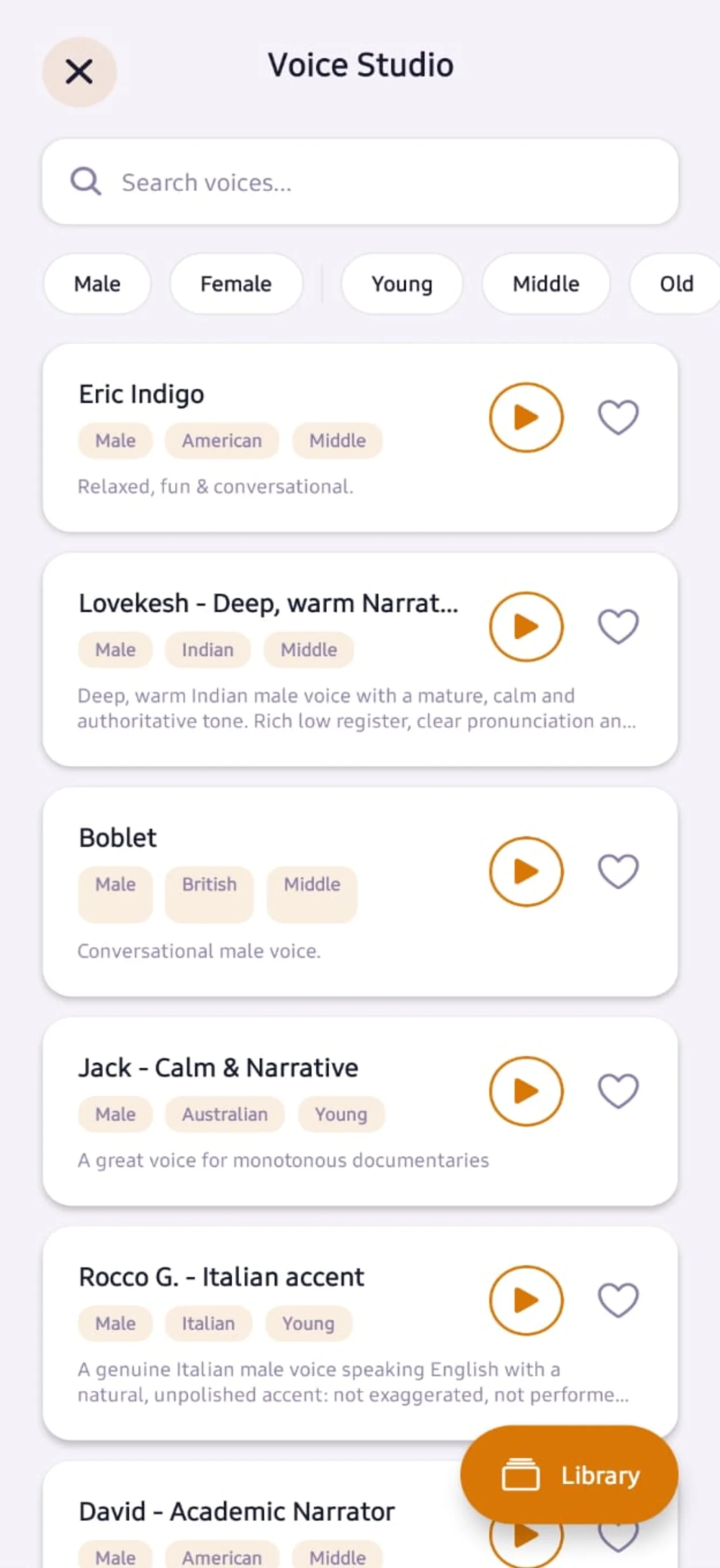
Six affirmations for holding the line
Boundaries are hard for a specific reason: the guilt arrives immediately, and the benefit arrives slowly. So the feedback loop punishes you for doing the right thing. Affirmations help by pre-loading a counter-thought for the guilt spike — something you've already decided is true before you're in the moment feeling awful about disappointing someone.
How Anchor writes yours
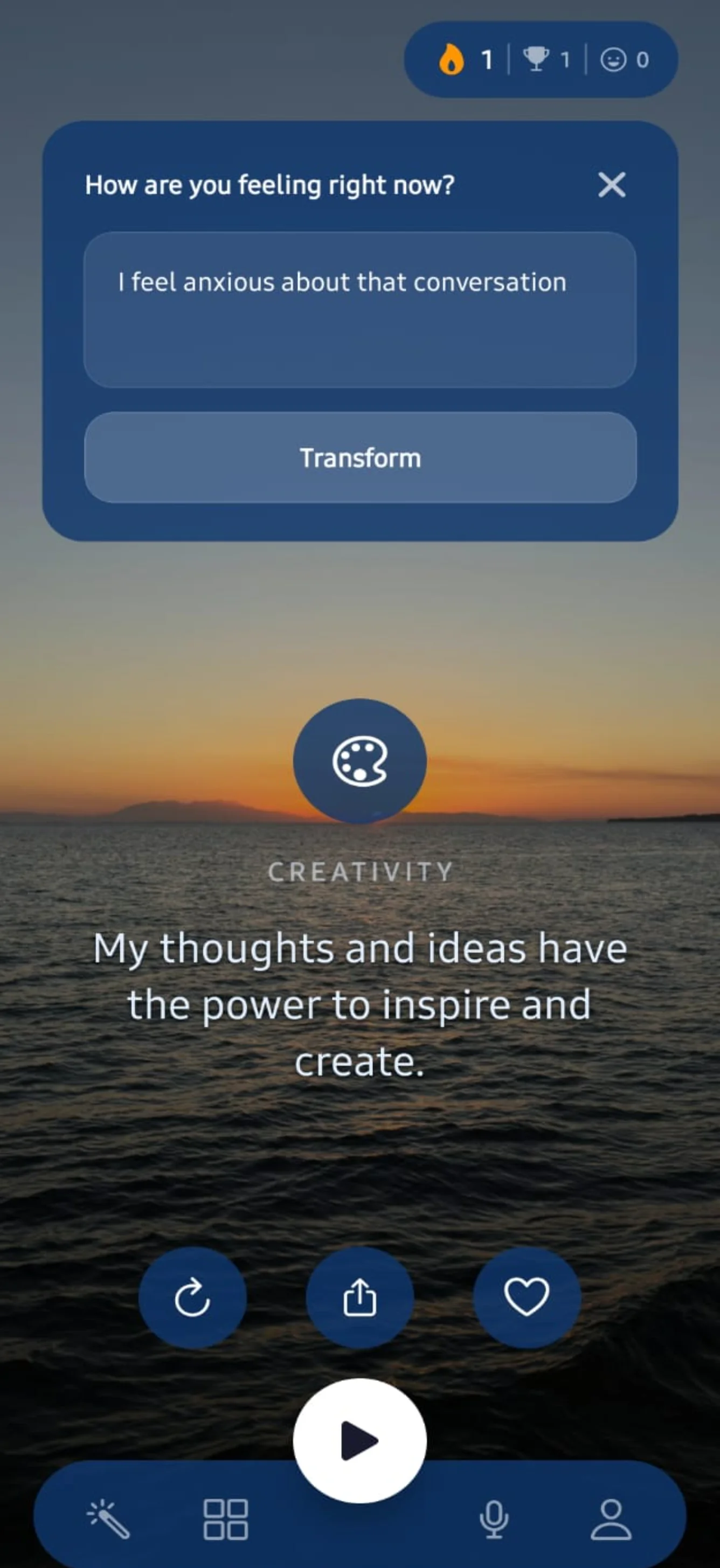
These six are a starting point. In the app you describe your own moment in your own words, and Anchor writes a CBT-style affirmation for exactly that, then a voice you picked from the library reads it aloud. It works in 29 languages, and a home-screen or lock-screen widget keeps today’s affirmation one tap away.
Questions
How do I set boundaries without feeling guilty?
Expect the guilt rather than trying to avoid it. For most people who over-give, guilt shows up whenever a boundary is set — it's a conditioned response, not a signal you did harm. The skill is holding the boundary while the guilt is present and letting it pass, rather than treating it as proof you should back down.
What do I say when someone pushes back?
Repeat, don't escalate. Calmly restating the same sentence — 'I can't take that on right now' — works better than justifying, because justifications invite negotiation. If someone repeatedly refuses to accept a reasonable no, that's information about the relationship, not a sign your boundary was wrong.